CASE STUDY: Global Technology CompanyHow Clarity Saved a $50M Engineering Org
A global technology company's research organization had 50 engineers doing critical work. Nobody could explain what they did.
Here's how we fixed that.
$1–3M
QUARTERLY SPEND RECAPTURED
22%
INCREASE IN INBOUND REQUESTS
38%
TRAFFIC & ENGAGEMENT GROWTH
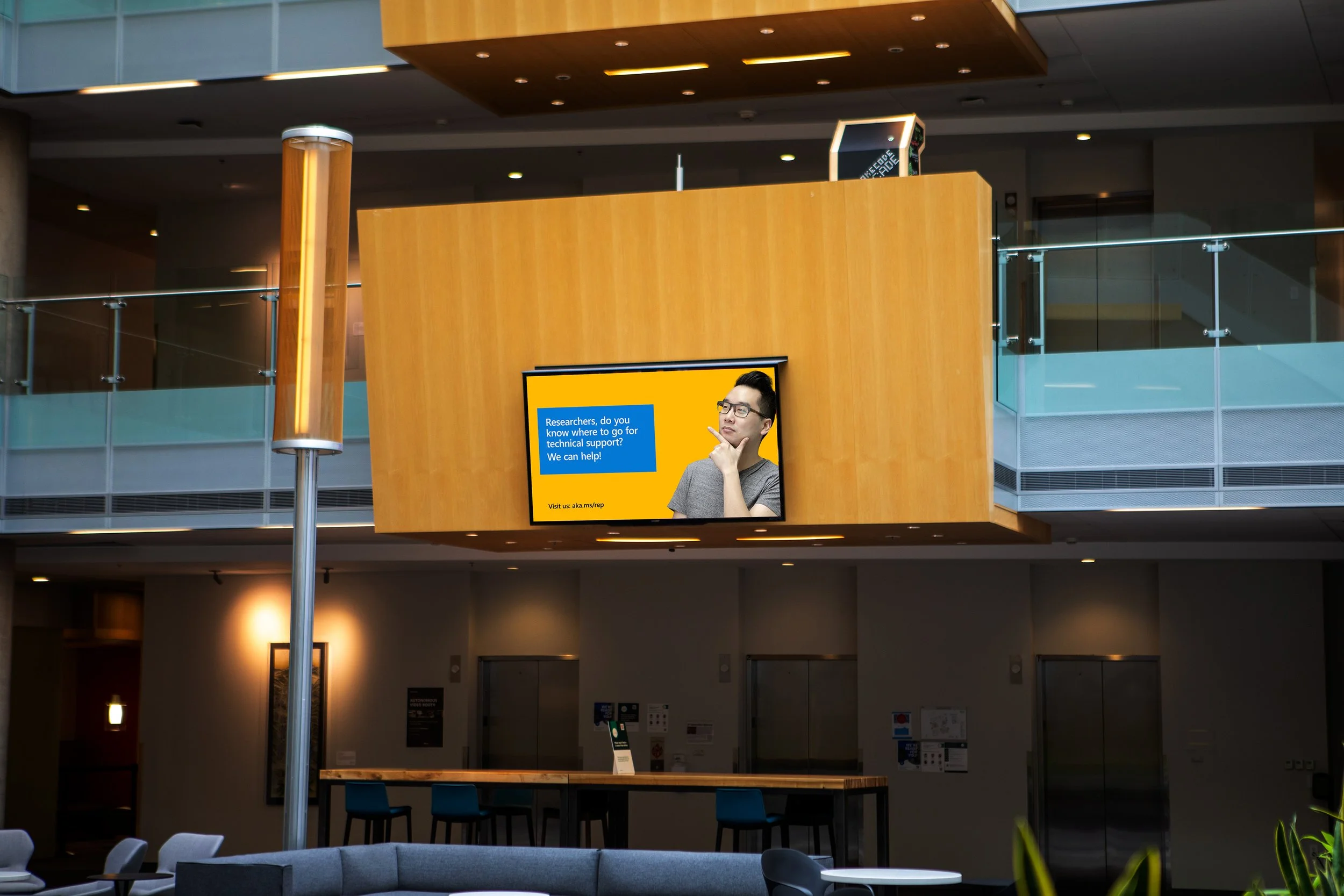

01 — hISTORYThe team nobody knew existed
Fifty engineers. Forty-eight research projects a year. Infrastructure, media services, technical support for some of the most advanced research happening anywhere. This team was essential.
But inside the organization, most people couldn't explain what they did. Many didn't know they existed at all.
That invisibility mattered. Leadership was scrutinizing spend. Researchers were routing work to outside vendors. And internal "support" orgs were easy targets for cuts. The team had a $50M budget and zero story to protect it.

02 — symptomsThe warning signs were everywhere
The brand made them sound generic. Interchangeable. Even leaders acknowledged that customers didn't connect the team's name to the actual talent pool.
That weak perception was costing them.
The numbers told the story: an estimated $1–3M of work was leaking to outside vendors every quarter. Not because the team couldn't do it. Because researchers didn't know they could.
One internal stakeholder put it plainly: if a large chunk of budget shows up labeled as "support" or "operations," it could trigger cuts. The language itself was a liability.
“If a large chunk of budget showed up labeled as support or operations, it could trigger budget cuts.”
03 — diagnosisThe problem wasn’t capability. It was clarity.
The team was doing strategic work but presenting it like a back-office function.
Their story was fragmented across internal sites, decks, and team language. No brand guidelines. No consistent stakeholders. Heavy reliance on word of mouth instead of a deliberate communications system.
Most service lines lacked formal success metrics. Request intake was ad hoc—driven by tribal knowledge instead of clear pathways.
The mismatch made it harder for researchers to know when to engage them and easier for leadership to underestimate them.
04 — evidenceBEFOREWhat the research revealed
Discovery work confirmed the gaps: inconsistent stakeholder understanding, limited marketing efforts, no existing brand guidelines, and too much value trapped in tribal knowledge.
The team's internal site, presentations, and communications all told slightly different stories. Researchers couldn't build a mental model of when to call this team versus going external.
The research also uncovered a positioning opportunity. This wasn't a support team waiting for tickets. These were problem-solvers who removed barriers so research could move faster. That story had never been told.
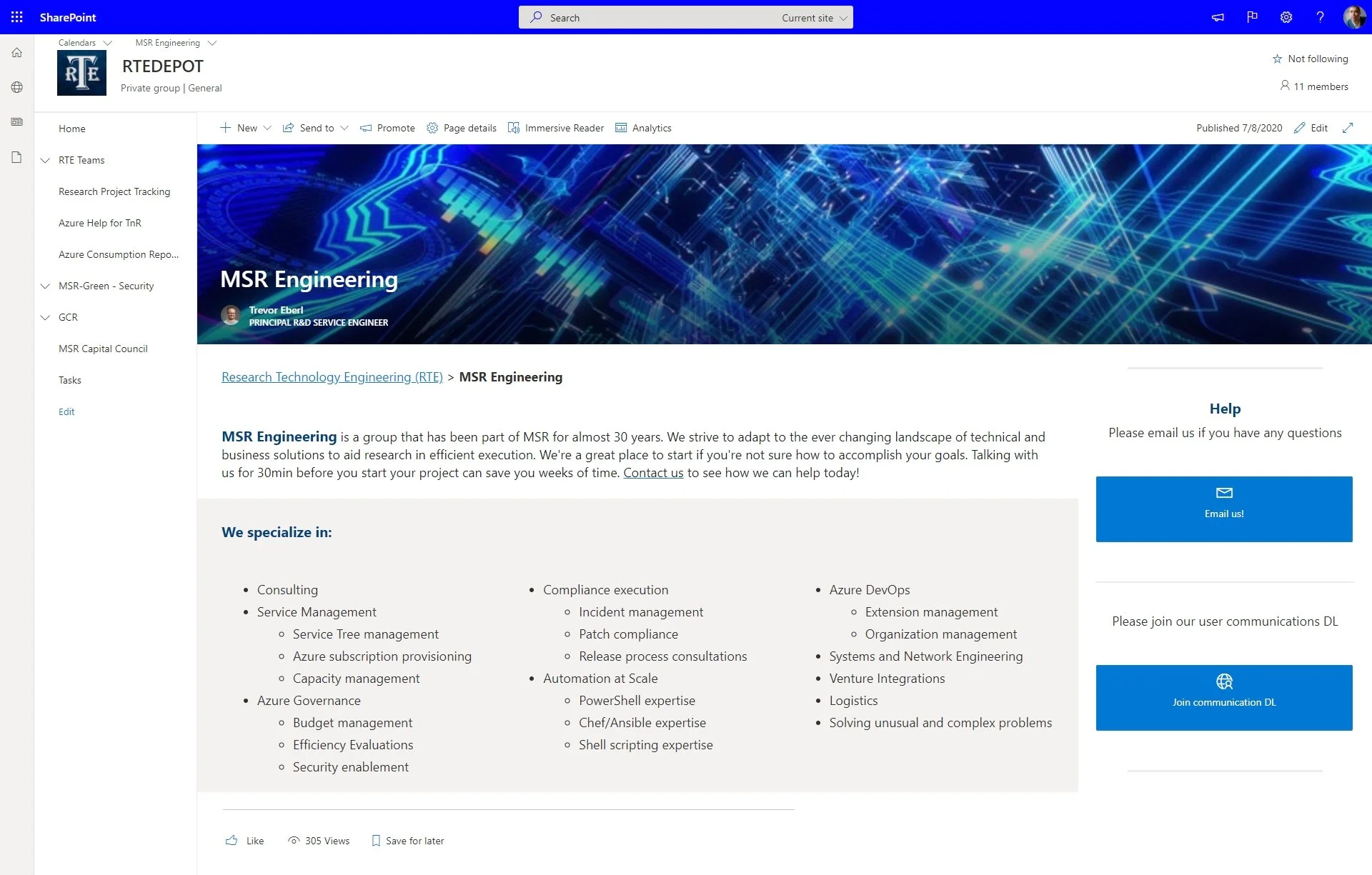
after05 — TREATMENTA full rebrand built around the value they actually created
The engagement repositioned the team around outcomes, not org-chart labels. The strategic center: these weren't passive support people. They were active problem-solvers. That thinking showed up in the "Champions of Yes" storyline—a name designed to be understood through the eyes of customers, not just the team.
Deliverables included:
06 — outcomeFrom invisible to impossible to ignore
After launch, inbound requests from researchers increased 22%. Traffic and engagement on internal properties jumped 38%.
The work helped reduce outside vendor spend by an estimated $1–3M per quarter—by redirecting the right work back to the internal team.
But the bigger win was the story itself. The team gained stronger language for leadership conversations. Better naming and positioning weren't cosmetic. They were a chance to redefine perception, sound as important as they were, and protect funding from being misread as low-value overhead.
BEFORE
A hidden engineering org with a vague name, scattered messaging, and too much value trapped in tribal knowledge.
AFTER
A clear identity, stronger visibility, and a communications system that helps researchers understand what they do, when to call, and why it matters.
07 — WHAT'S NEXTA story they can keep telling
The team walked away with more than a rebrand. They have a communications system they can maintain and extend. A story that works in budget meetings. A positioning that attracts the right work.
The real use case here isn't "I made a brand prettier." It's this: I helped a critical internal team explain its value clearly enough to protect budget, reduce avoidable outside spend, and earn a more accurate place in the minds of the people they served.
That's what clarity does. It doesn't just look better. It performs better.
ClientA global technology company’s research organization
timeline12 weeks
investment$48,000
deliverablesFull rebrand, messaging framework, visual identity, communications system
Is your team doing important work but struggling to explain it?
Let’s work together to find the right thing to say to the right customer.